
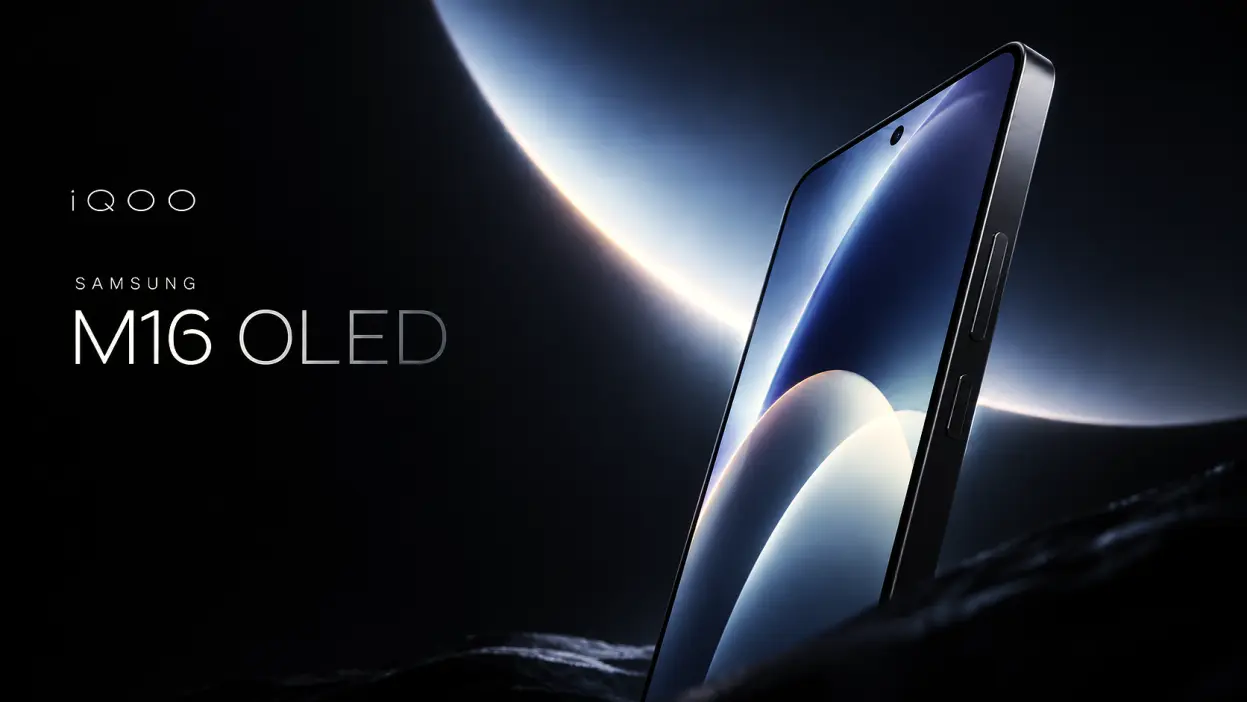
The iQOO 16 is putting its display front and center, becoming the first Android phone to use Samsung Display’s new M16 2K 165Hz OLED. That alone makes this launch interesting. Instead of Samsung’s newest display technology appearing first on a Galaxy flagship, iQOO gets to show what it can do on Android, pairing the new M16 material with Samsung’s LEAD 2.0 technology and a 2K resolution at up to 165Hz. Samsung Display and iQOO also worked together on the panel rather than iQOO simply buying an existing screen off the shelf.
What makes M16 more interesting than the usual display upgrade is that Samsung is not only chasing a higher brightness number. Paired with LEAD 2.0, the panel can reach around 2,800 nits across the screen and up to 10,000 nits in small highlights, while iQOO says power use at around 150 nits can be roughly 31% lower than a similarly sized 1.5K display. It also brings a 2K resolution, 165Hz refresh rate, 500Hz multi-touch sampling, up to 5,000Hz instantaneous touch sampling, 3,300Hz PWM dimming, DC dimming and pixel-level calibration, so the upgrade is really about getting brightness, efficiency, smoothness and consistency to improve at the same time.
And this probably will not stay an iQOO story for long. Samsung is already reportedly preparing M16 for the Galaxy S27 Ultra and Galaxy S27 Pro, which would bring the same newer OLED material into its own flagship lineup next year. Beyond that, phones like the iPhone 19 or the expected anniversary iPhone 20 are where the next step becomes even more interesting. There is no solid report yet saying those models will specifically use M16, but by then Apple could be using an evolved version of the same display technology or whatever Samsung develops after it. That is why the iQOO 16 matters, it gives us an early look at the direction premium displays are moving toward, where higher brightness and refresh rates matter, but better efficiency, thinner display stacks and lower power use may end up being the upgrades that shape the next generation of flagship
iQOO 16 Gets Samsung’s New M16 OLED First and That Matters
YOU MAY ALSO LIKE THESE ARTICLES

Meta VR Glasses Bring Immersive VR Down to Just 100g
Meta's new VR Glasses put only 100g on your face, using a separate compute puck to make immersive work, movies and gaming more wearable.
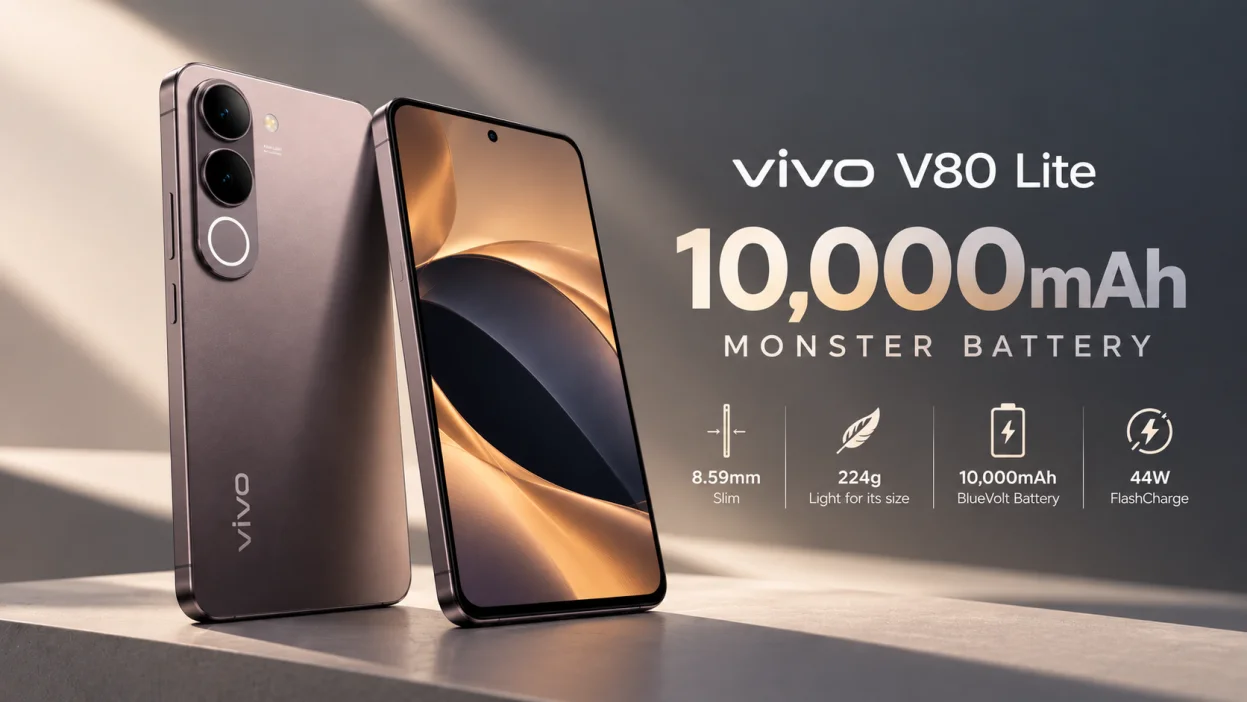
Vivo V80 Lite Packs a Monster 10,000mAh Battery Into a Slim Body
Vivo fits 10,000mAh into a slim phone, showing how new battery tech could change daily charging habits and reshape future smartphones.
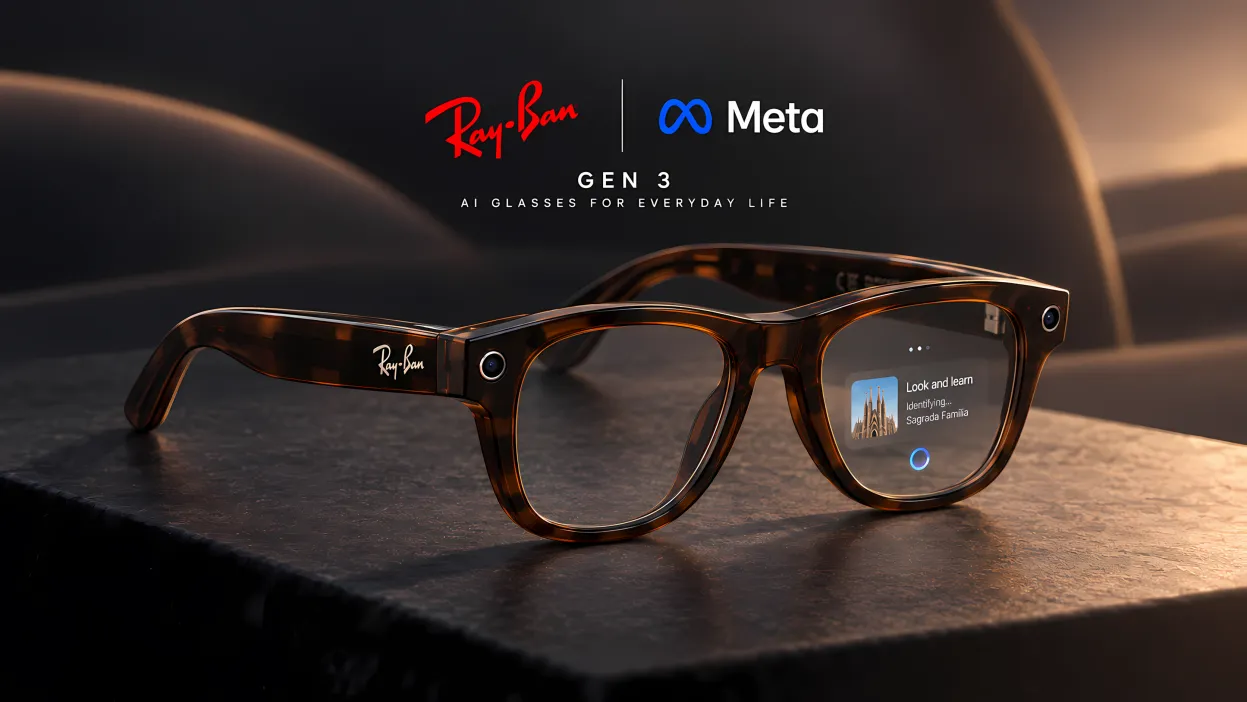
Ray-Ban Meta Gen 3 Review Meta Made AI Glasses Easier to Live With
Ray-Ban Meta Gen 3 gets a slimmer design, more frame styles, prescription options, better microphones, longer battery life and Muse support on the way.
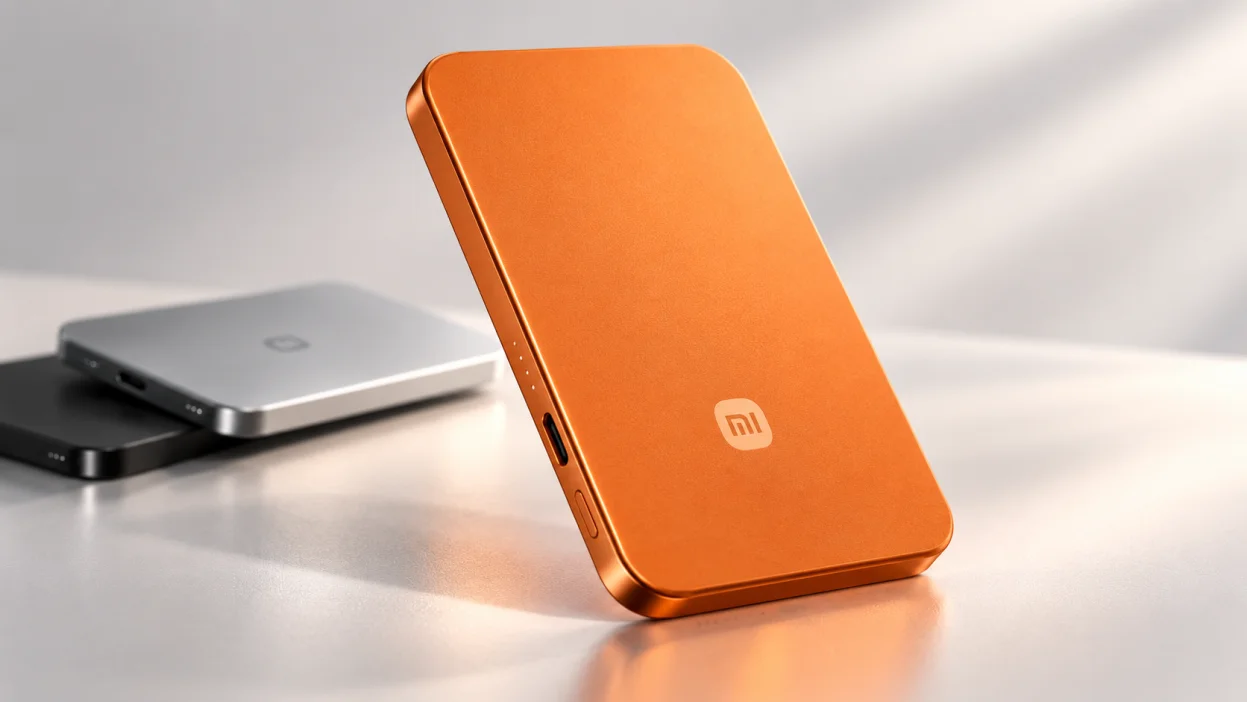
Xiaomi UltraThin Magnetic Power Bank Packs 5000mAh Into Just 6mm
Xiaomi packs 5000mAh into a magnetic power bank just 6mm thin. We look at how it feels in daily use, how much charge it can deliver, and whether the slim design is worth carrying.