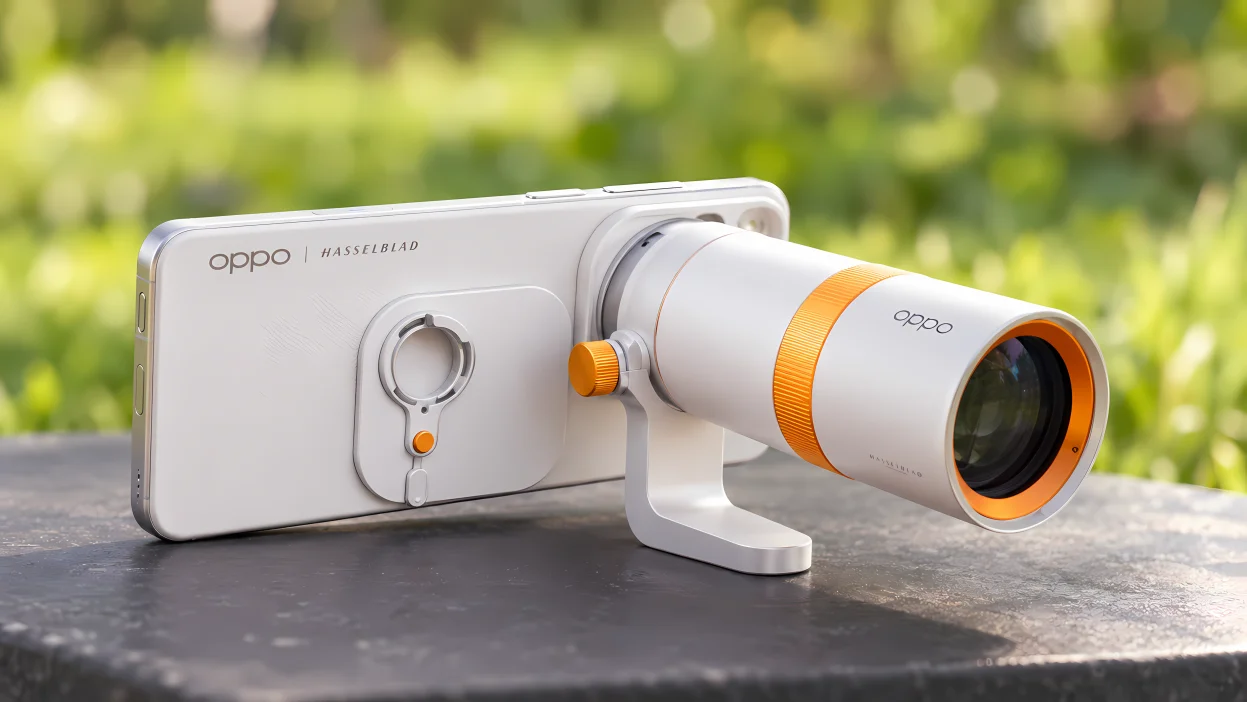
Smartphone cameras are getting bigger, and now some manufacturers want us to attach even more lenses. Oppo's Find X10 Pro Max Hasselblad Teleconverter Kit is the latest example, featuring a 3.28x optical attachment designed to capture distant subjects more clearly. Vivo has also explored similar technology, raising an interesting question. Are we witnessing the next big improvement in mobile photography, or are smartphones slowly turning into complicated cameras that defeat their original purpose?
The technology behind these accessories is real, but there are limits. Unlike digital zoom, which crops and enlarges an image, an optical teleconverter uses glass elements to increase the effective focal length before light reaches the sensor. This can preserve more detail when photographing distant subjects. However, the attachment does not increase the physical size of the phone's image sensor or add more megapixels. Additional optics can also reduce the amount of light reaching the sensor, while stronger magnification makes camera shake more noticeable. In darker environments, these limitations can become especially apparent.
So, can a smartphone with a camera kit compete with a DSLR or mirrorless camera? In certain situations, particularly outdoor photography with plenty of sunlight, it might come surprisingly close. But dedicated cameras generally have advantages in sensor size, lens selection, handling, and performance in difficult lighting. A teleconverter can improve a phone's reach, but it cannot eliminate these differences. And if someone already needs to carry a large lens, mounting accessories, and a protective case, buying a dedicated camera starts to become a reasonable alternative.
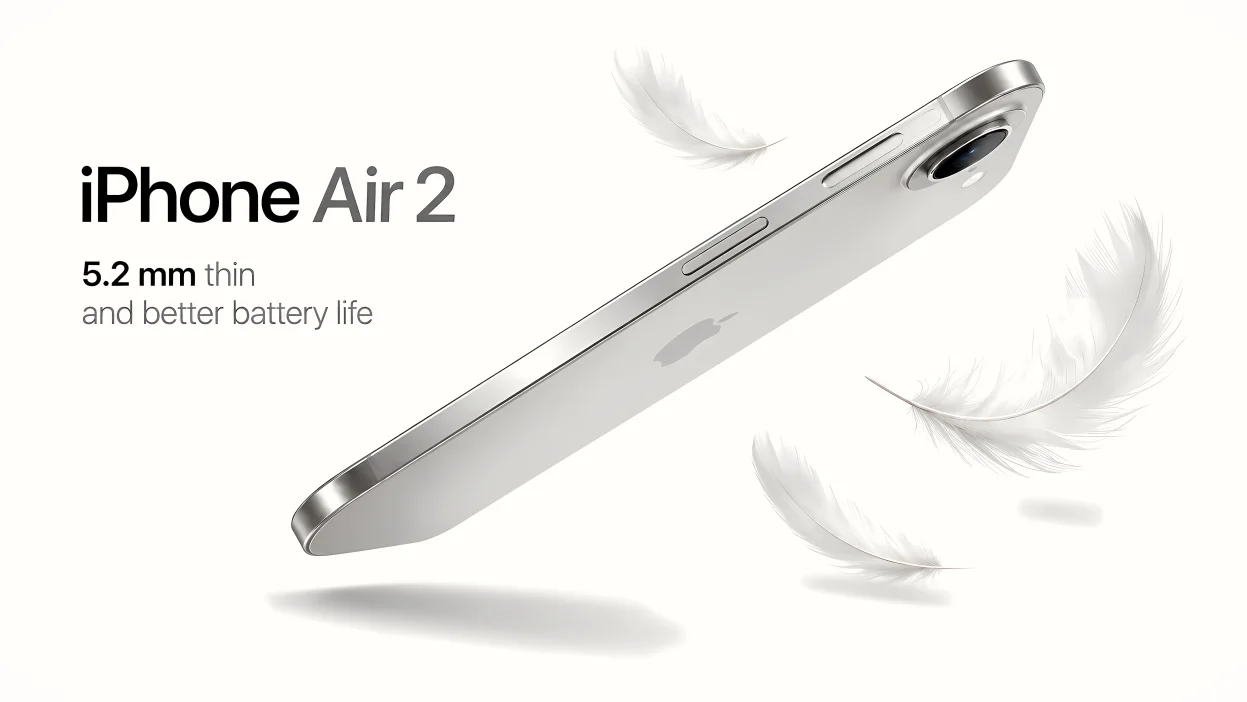
Apple, meanwhile, appears to be following a different strategy. The iPhone 18 Pro uses a built in 4x telephoto camera and offers 8x optical quality zoom without requiring an external lens. That 8x option is not the same as having a separate native 8x optical lens, but it shows how Apple is combining sensor technology and image processing to improve zoom. Could Apple eventually embrace larger camera attachments as well? There is no confirmed first party equivalent to Oppo's kit, although third party iPhone lenses already exist. For now, an official Apple teleconverter remains speculation.
The bigger question is whether this trend will last. It is possible that future flagship smartphones will offer increasingly advanced modular camera systems, especially as manufacturers compete to improve photography. But more equipment does not automatically mean better pictures. These kits could be valuable for travelers, wildlife photographers, and enthusiasts who want extra reach without investing in an entirely separate camera system. For most people, however, convenience and price will matter just as much as image quality. With Oppo's latest kit still awaiting confirmed pricing, its value remains uncertain. The technology is certainly not a gimmick, but whether it becomes a worthwhile purchase is another story.